
A Summer of Deadly Records
The summer of 2026 has brought unprecedented devastation across the globe. In Europe alone, approximately 20,000 heat-related deaths have been recorded since the beginning of the season, with the vast majority being elderly individuals. France has borne the brunt of this crisis, recording nearly 6,000 deaths—approximately 85% of them aged 65 and older.
The numbers are staggering. In Paris, at least 109 people died in a single day as temperatures soared above 40°C. Germany recorded its hottest day ever at 41.7°C, while Poland broke a century-old record at 40.5°C. Across the continent, nearly 191 million people were exposed to temperatures of 35°C or higher.
Why Heat Kills—And Why Strokes Spike
When the body overheats, it triggers a cascade of dangerous physiological responses. Prolonged hot weather causes blood to thicken, forcing the heart to beat faster to cool the body. For people with underlying conditions like high blood pressure, heart disease, or diabetes, this becomes a direct trigger for stroke, heart attack, and rapid death.
But there’s another, less obvious danger: sweating doesn’t just drain water—it drains electrolytes. High temperatures cause the body to lose sodium, potassium, calcium, and magnesium through perspiration. These minerals are essential for maintaining normal heart function and stable heart rhythm. When electrolyte levels become severely imbalanced, the risk of arrhythmias, myocardial infarction, and stroke skyrockets.
As one medical expert explained, “Hot weather causes the body to lose large amounts of water and electrolytes—particularly potassium, calcium, and magnesium. These electrolyte disorders directly affect the heart’s normal contraction and rhythm, triggering arrhythmias and other symptoms”.
The Magnesium Connection: Your Heart’s Unsung Hero
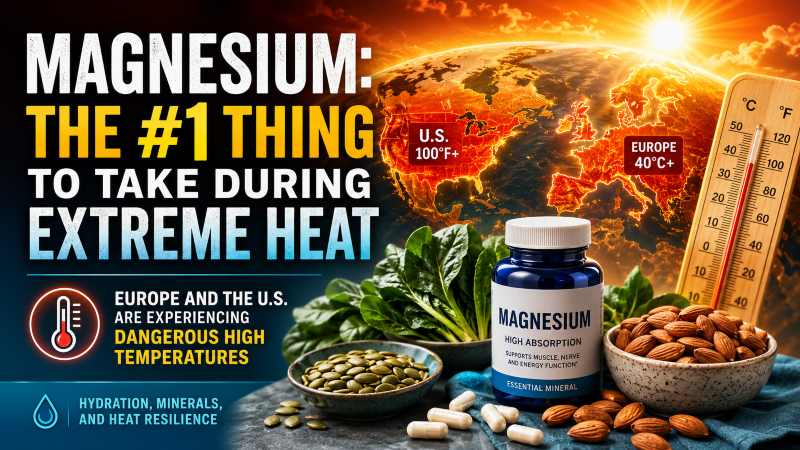
While most people focus on hydration and general electrolyte replacement during heatwaves, one mineral deserves special attention: magnesium.
Magnesium plays a central role in cardiovascular health. It regulates vascular tone and endothelial function, reduces blood pressure through its natural calcium-antagonist properties, and helps maintain stable heart rhythm. Low magnesium levels are directly associated with arrhythmias, coronary artery disease, stroke, high blood pressure, and abnormal lipid levels.
The science is compelling. A Mendelian randomization study published in 2024 found that genetically predicted magnesium levels were significantly associated with a lower risk of cardioembolic stroke (odds ratio: 0.011). The study also found suggestive evidence that magnesium decreases the risk of both any stroke and ischemic stroke.
A comprehensive review of epidemiological studies concluded that higher magnesium intake—whether dietary or through supplementation—is associated with protection against major cardiovascular risk factors, including metabolic syndrome, diabetes, and hypertension, “as well as against stroke and total CVDs“.
Even more striking: each 100 mg/day increase in magnesium intake correlates with an 8% reduction in stroke risk. Some meta-analyses have found that every 100 mg/day increment provides between 2% and 13% protection against total stroke.
Beyond General Electrolytes: The Bioavailability Factor
Here’s where many people go wrong: not all magnesium is created equal.
Standard electrolyte drinks often contain magnesium oxide—one of the least bioavailable forms. The body simply cannot absorb and utilize it effectively. Organic forms of magnesium—including citrate, glycinate, lactate, and chloride—are considered significantly more bioavailable than inorganic forms like oxide and sulfate.
For cardiovascular support specifically, magnesium glycinate and magnesium taurinate are considered two of the most effective forms. Magnesium citrate, with its 90% bioavailability, is excellent for correcting deficiencies. Magnesium glycinate is highly absorbable and supports healthy heart rhythm.
The recommended daily allowance for magnesium is 310–320 mg for women and 400–420 mg for men. Yet as many as 75% of adults in the U.S. do not meet this requirement. During heatwaves, when the body loses magnesium through sweat, this deficiency becomes even more dangerous.
A Practical Defense Against Heat-Related Emergencies
The evidence is clear: ensuring adequate bioavailable magnesium intake is one of the most effective steps you can take—beyond general electrolytes—to protect against heat-related stroke and heart attacks.
The World Health Organization has warned that Europe is warming at “twice the global average” and that what were once “once-in-a-generation” heatwaves are now occurring “nearly annually”. As summers grow hotter and more lethal, individual prevention strategies become matters of life and death.
What You Can Do:
- Prioritize magnesium-rich foods: whole grains, nuts, vegetables, fruits, legumes, coffee, and tea
- Choose bioavailable supplements: magnesium citrate, glycinate, or taurate—not oxide
- Increase intake during heatwaves: sweating depletes magnesium rapidly
- Combine with other electrolytes: sodium, potassium, and calcium work synergistically
The heat is not going away. But with the right knowledge and the right nutrients, we can protect our hearts—and our lives.
Disclaimer: This article is for informational purposes only and does not constitute medical advice. Always consult with a qualified healthcare provider before starting any new supplement, especially if you are undergoing cancer treatment.
